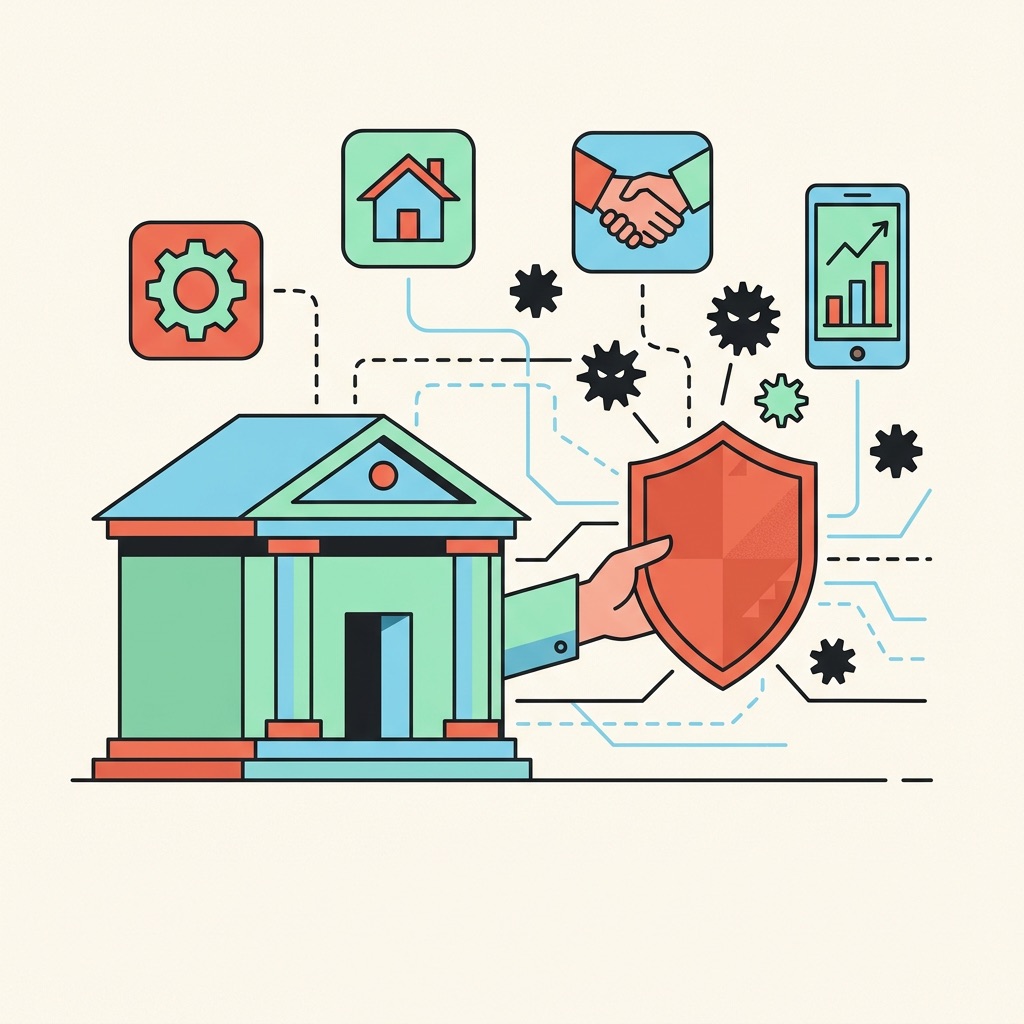
The Dangers of Connecting Bank to Apps
Estimated reading time: 10 minutes
Key Takeaways
- Connecting bank accounts to apps offers convenience but introduces security vulnerabilities.
- Data breaches, unauthorized access, and fraud are significant risks associated with bank-sync apps.
- Employing strong security measures can mitigate many of the potential dangers.
Table of Contents
- Understanding Bank-Sync Apps
- Why Users Connect Their Banks to Apps
- Security Risks of Budgeting Apps
- Is Bank Sync Safe?
- Budgeting App Fraud Concerns
- Dangers of Connecting Bank to Apps
- How to Avoid Risks When Linking Your Bank to Finance Apps
- Mitigating Security Risks
- FAQ
Understanding Bank-Sync Apps
Bank-sync apps help manage budgets, track spending, and analyze your financial transactions by importing real-time banking data. They simplify financial oversight through:
- Mint
- YNAB (You Need A Budget)
- Personal Capital
- PocketGuard
These apps work by using secure connections or requiring your login credentials to access and synchronize your financial data, providing insights into your financial habits. However, this requires you to share sensitive details, introducing security risks as these apps store and transmit data. Source: Kaufman Rossin, Source: Truthifi, Source
Why Users Connect Their Banks to Apps
The decision to link bank accounts to apps often boils down to several key advantages:
- Streamlined Budgeting and Financial Planning: Automated transaction tracking saves time and reduces manual errors.
- Enhanced Visibility: Management of all accounts in one dashboard simplifies financial oversight.
- Time-Saving Convenience: Eliminates the need for repetitive data entry and enables quick fund transfers.
Despite these benefits, there is a trade-off between convenience and security. Many users connect their banks underestimating the potential risks due to misconceptions about the safety provided by these apps. Source: Cloaked, Source: Bankrate, Source
Security Risks of Budgeting Apps
Security risks of budgeting apps arise from several vulnerability areas:
- Data Transmission Vulnerabilities: Sensitive data traveling electronically can be intercepted by hackers if encryption protocols are weak. Source: Kaufman Rossin, Source: Truthifi
- Data Storage Concerns: Financial data stored by third parties can lead to breaches when security is lax. Source: Aura, Source: Kaufman Rossin
- Unauthorized Access: Weak authentication processes open doors for attackers to siphon money or collect personal information. Source: Cloaked, Source: Truthifi, Source: Identity Guard
- Data Breaches: A compromised app server can expose users’ banking data, resulting in identity theft and fraud. Source: Aura, Source: Kaufman Rossin, Source: Truthifi
Is Bank Sync Safe?
The question is bank sync safe depends on the measures implemented by the apps:
- Bank-Grade Encryption: Reputable apps use encryption to safeguard data during transmission and storage. Source: Kaufman Rossin, Source: Bankrate
- Strong Authentication Protocols: Multi-factor authentication provides additional security layers against unauthorized access.
- Regulatory Compliance: Compliance with standards like PCI DSS or FDIC guidelines is common, though oversight can vary. Source: FDIC, Source: Bankrate
While reputable apps take these steps, risks persist, especially with lesser-known or poorly regulated services. Source: Bankrate, Source: FINRA
Budgeting App Fraud Concerns
Fraud concerns associated with budgeting apps include:
- Account Takeover: Weak security measures enable cybercriminals to use stolen credentials for illicit transactions. Source: Identity Guard
- Phishing and Scam Links: Users may fall victim to apps redirecting them to malicious sites to steal data. Source: Aura, Source: Truthifi
- Data Broker Exploitation: Collected data could be sold for targeted scams or social engineering. Source: Aura, Source: Kaufman Rossin
- Real-World Examples: High-profile breaches involving Plaid and Mint highlight the vulnerabilities leading to major financial and identity risks for users. Source: Truthifi, Source: Identity Guard
Dangers of Connecting Bank to Apps
Examining dangers of connecting bank to apps highlights several threats:
- Long-term Data Exposure: Even after uninstalling, shared information can remain accessible to third parties. Source: Kaufman Rossin, Source: FINRA
- Privacy Erosion: Some apps may build detailed user profiles for ad targeting or discriminatory practices. Source: Kaufman Rossin, Source
- Financial Insecurity: Stolen credentials can lead to direct monetary losses, while also compromising credit or increasing future scam risks. Source: Aura, Source: Kaufman Rossin
- Regulatory Gray Areas: If funds are stolen, the liability between banks and third-party services remains unclear, complicating recovery efforts for victims. Source: Truthifi, Source: FINRA
How to Avoid Risks When Linking Your Bank to Finance Apps
To avoid bank linking finance apps risks:
- Select Trusted Apps: Choose widely recognized and highly-rated apps with transparent privacy policies and strong security features. Source: Kaufman Rossin, Source: Bankrate
- Review Permissions: Regularly audit app permissions and grant access only for essential functions.
- Decline Unnecessary Requests: Avoid apps that ask for direct login credentials or extra personal data. Source: Truthifi, Source: Bankrate, Source: FINRA, Source
- Monitor Account Activity: Set up alerts for suspicious transactions and review account activity regularly. Source: Identity Guard
Mitigating Security Risks
To further bolster your security:
- Use Strong, Unique Passwords: Never reuse passwords across different apps.
- Enable Two-Factor Authentication: Whenever available, add an extra authentication layer. Source: Kaufman Rossin, Source: Bankrate, Source
- Conduct Regular Reviews: Audit and disconnect apps you no longer use to minimize potential exposure. Source: Identity Guard
- Keep Software Updated: Regularly update apps and devices to patch vulnerabilities. Source: Kaufman Rossin
Conclusion
While connecting your bank to apps offers convenience, the dangers of connecting bank to apps are significant if you neglect proper security measures. Carefully consider the balance between convenience and potential risks, utilizing security practices to protect your financial information.
Additional Resources
- FDIC’s Mobile Banking Security Tutorials
- FINRA’s Insights on Data Aggregation Risks
- Bankrate’s Safety Tips for Banking Apps
Seek out apps like Mint, YNAB, or Personal Capital for thorough security compliance and consistent updates to ensure your financial safety.
FAQ
The primary security risks include data breaches, unauthorized access, data transmission vulnerabilities, and potential fraud. These risks arise from how apps store and handle your sensitive financial information.
To protect your financial data, choose trusted apps with strong security measures, enable two-factor authentication, use unique and strong passwords, regularly monitor your account activity, and review app permissions frequently.
Yes, using reputable apps that offer bank-grade encryption, comply with regulatory standards, and provide robust authentication protocols can enhance security. Additionally, following personal security best practices further reduces risks.
If you suspect a breach, immediately disconnect your bank account from the app, change your passwords, contact your bank to monitor for suspicious activity, and report the incident to the app provider.
While regulatory compliance like PCI DSS or FDIC guidelines adds a layer of security, it does not eliminate all risks. It’s essential to use additional security measures and remain vigilant about your data.